

Nurturing natural solutions: The Okanagan Collaborative Conservation Program and it’s partners see a future where the growing threat of climate change is mitigated by protecting and restoring ecosystems. In 2021, OCCP will be coordinating knowledge sharing and working with its partners to develop actions and collaborative ways to implement Nature-based Solutions for Climate Change.
What are Nature-based Solutions (NbS)?
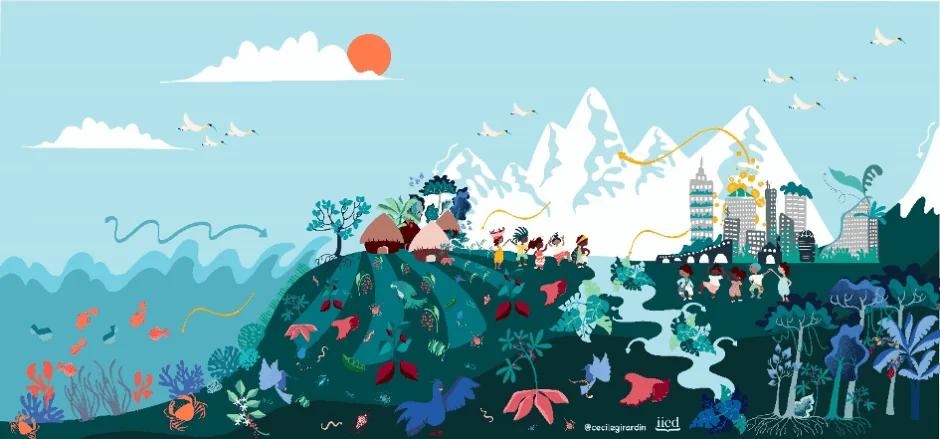
Nature-based Solutions is an umbrella concept for ecosystem-based management practices that mitigate the impacts of climate change. It can include projects such as:
- disaster risk reduction
- ecosystem connectivity
- reduction of greenhouse gas (GHG)
- carbon sequestration
- green infrastructure
NbS’s have the potential to help in climate adaptation and mitigation strategies for relatively low costs. For example, restoring natural forests in upper catchment areas can help protect downstream communities from flooding, while at the same time increasing carbon sequestration and protecting biodiversity.
What does Climate change mean for Canada?
Canada has experienced a higher rate of warming than most other regions of the world, particularly in its far-north and west. Average temperatures in Canada have already increased by 1.7 degrees Celsius since 1948. This increase has led to:
- melting of permafrost and ice in the Arctic
- sea-level rise
- more frequent and severe weather, including heat extremes and major changes in precipitation
Canada is also home to a quarter of the world’s intact forests. Every year, forests across the world absorb approximately 2.6 billion tonnes of CO2, which is a third of the emissions released from burning fossil fuels. Globally, Canada’s rate of intact forest landscape loss is only exceeded by Russia and Brazil. Furthermore, some of this unsustainable logging is for throwaway products such as toilet paper. In 2016, a total of 766,659 hectares of Canada’s forest were logged, a size that is bigger than Banff National Park.
What does Climate Change mean for the Okanagan Valley?
The Okanagan region is predicted to have multi-fold impacts across different seasons. By the 2050s, the region will average 22 days above 30°C per year; the current average is 5 days above 30°C. Winters are set to get warmer with recurrent drastic fluctuations in the water and snow cycle.
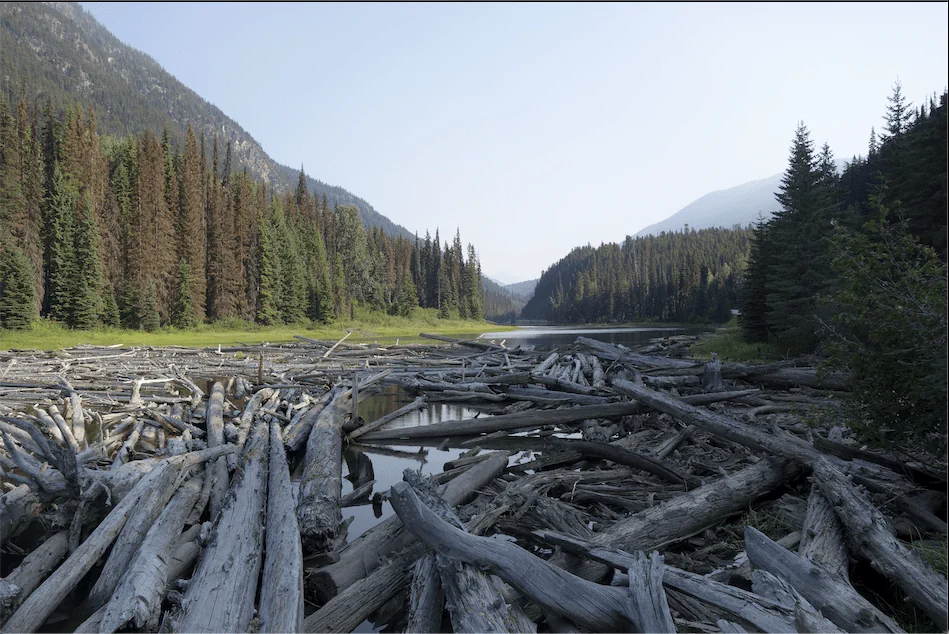
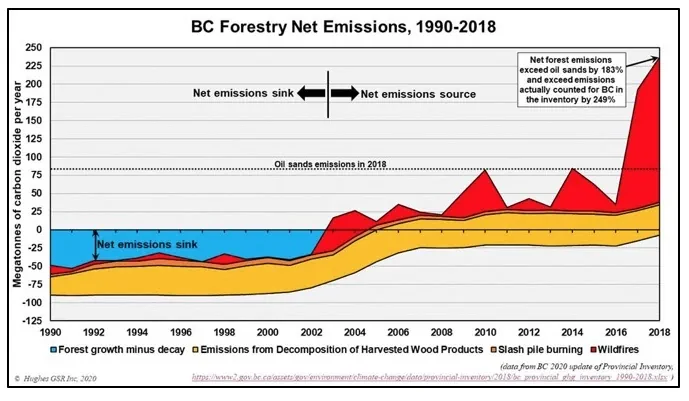
Old-growth forests in B.C. can store over 1,000 tonnes of carbon per hectare, one of the highest rates on earth. Intact primary forests slow climate change by absorbing and storing carbon. Since 2002, British Columbia's forests have not been carbon sinks due to the impacts of logging and wildfires.
How can Canada's Forests help fight Climate Change?
With the highest ratio of trees to people in the world, Canada has a vital role to play in the global fight against climate change. Natural forests are giant carbon vaults. Globally, the amount of carbon stored in their leaves, wood, and in soil is more carbon than all accessible coal, oil and gas reserves combined. Forests also have a direct impact on the water and snow cycle and regulate the flow to decrease seasonal fluctuations.
With a quarter of the world’s intact wetlands, boreal forests, endangered prairie grasslands and the longest coastline, Canada’s network of protected areas provides a natural solution for climate change. The biggest and oldest trees in Canada are found in British Columbia, these forests also have the highest carbon storage per hectare.
The scientific community has stressed adaptive action and limiting global warming to avoid the worst impacts of climate change. Since the Industrial revolution, forest carbon absorption has helped slow the impacts of climate change. Today, around 25% of global Greenhouse gas emissions caused by humans are absorbed by forests.
The role of forests in climate change is two-fold:
- When forests are cut down and degraded they can contribute up to 25% of global greenhouse gas emissions
- Restoration of the degraded landscape combined with protecting intact forests will help reduce atmospheric carbon
Annually, 5-10 billion tonnes of CO2 emissions arise from deforestation. It is estimated that nature-based climate change solutions can absorb 37% of the required reductions that are necessary to reduce global temperatures and ensure we don’t have a 2-degree celsius increase by 2030.
Nature-based solutions for Climate Change Action
While carbon released from deforestation contributes to climate change, forests can play a crucial role in addressing the effects of climate change.
To find a solution to climate change, we need to restore forests, protect biodiversity and act in advance. Replanted and young forests begin to sequester more carbon than they release after 13 years of growth.
The Okanagan Collaborative Conservation Program will work in synergy with stakeholders across various sectors to strengthen and restore British Columbia’s rich biodiversity.